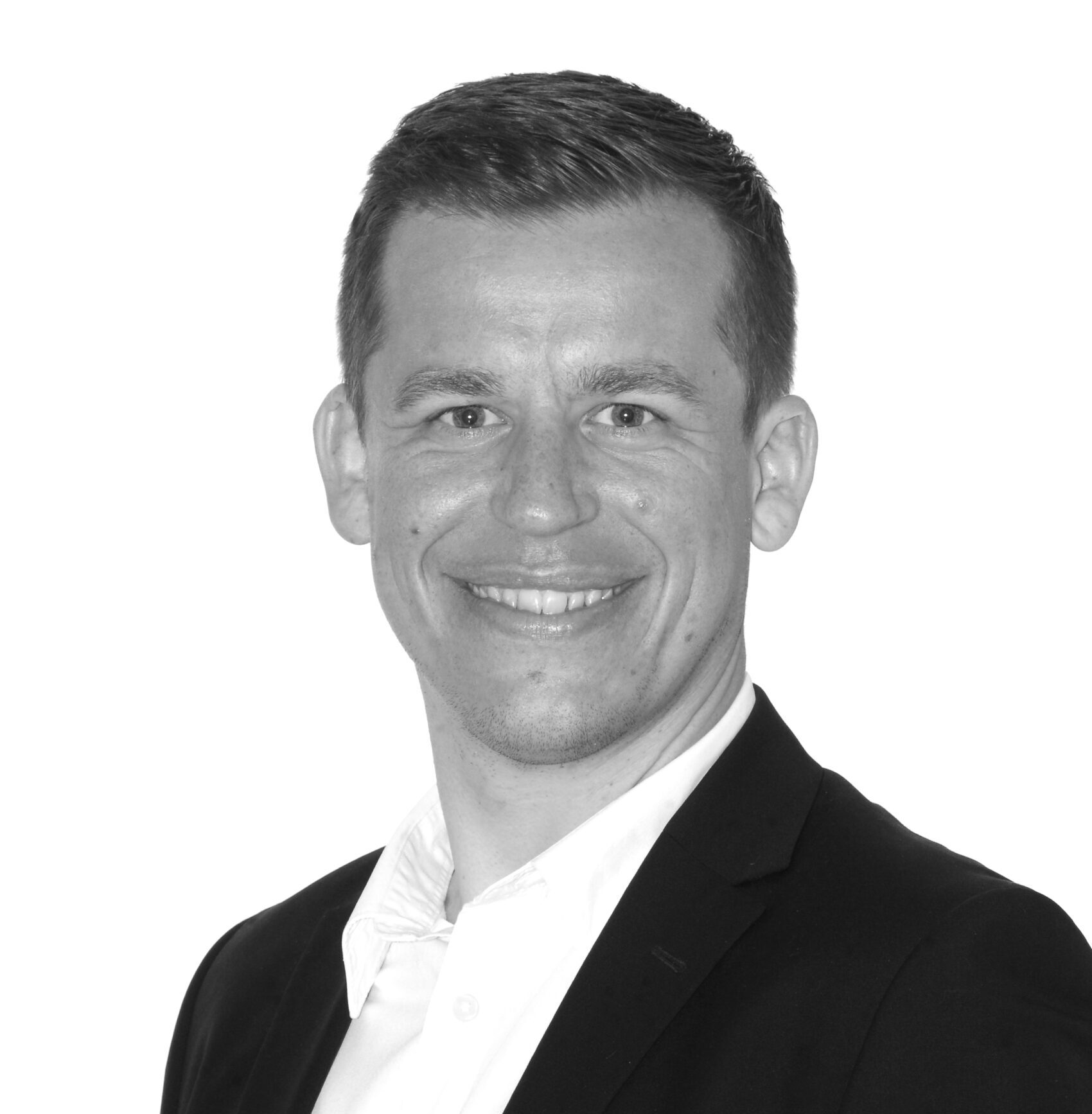






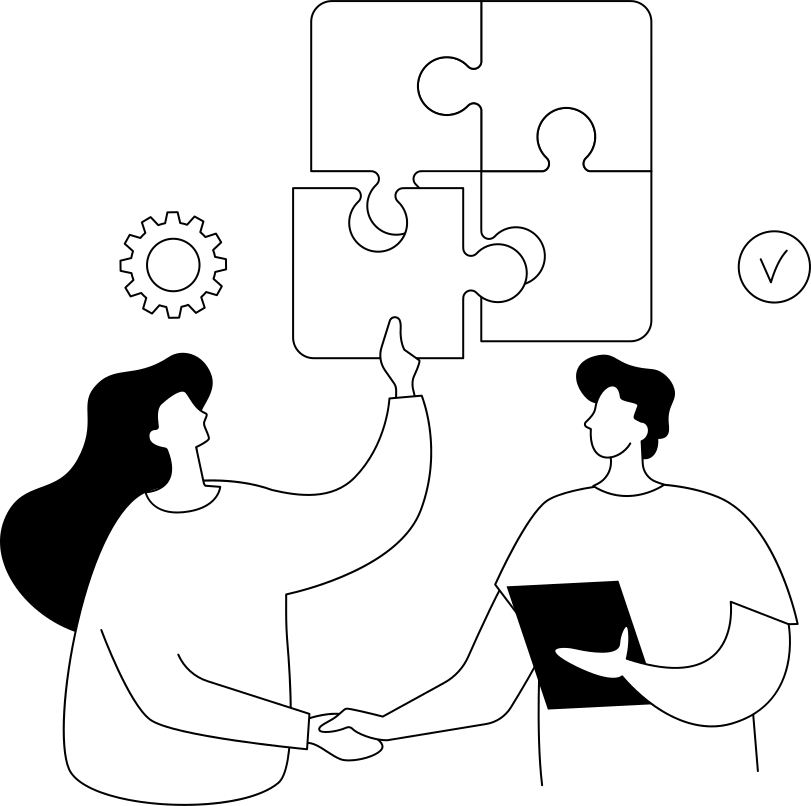
“Project Management is the facilitation of GTD for project teams” – that’s the starting point for Carsten Nielsen, certified GTD trainer for Vital Learning in Denmark and a project management teacher and expert.
In this episode, Lars interviews Carsten to learn more about the intersection between GTD and project management:
– What systems Carsten uses, both personally and with teams
– How he uses GTD as a project manager
– How he shares GTD and uses it e.g. in productive meetings
..and much more! We really hope that you benefit from this episode, either if you’re a project manager or a team member on a project. And as always, if you do, we love to hear from you! Podcast@GTDnordic.dk is where you’ll reach us.
Lastly: Don’t forget to block your calendars! June 17-18 2023 is when the GTD Summer Camp 2023 will take place – we hope to see you there.
Links:
– Morten/Lars’ channels on YouTube, if you want to watch the episodes:
– Lars: https://www.youtube.com/c/LarsRothschildHenriksen
– Morten: https://www.youtube.com/c/MortenRøvikGTD
We really hope that this episode helps you on your GTD journey and, as always: If you have any feedback we’d love to hear from you via podcast@gtdnordic.dk, you can learn more about GTD in the Nordics at https://VitalLearning.EU and find cool GTD gear at https://GTDshop.com.
If you prefer to see the video version you can do so below:
Transcript
Automatically transcribed and lightly edited. Timestamps omitted for readability.
Morten: Hi, and welcome to another episode of the Getting Things Done podcast from Vital Learning. I am, as always, Morten Røvik, and as always, I'm here with my good friend and colleague Lars Rothschild Henriksen. Privet, Lars.
Lars: Privet, Mr. Ravik. Good to see you as always, and good to be with our listeners out there. We always start off by reminding you of the purpose of this podcast, which is to help you learn GTD or become an— learn GTD or become even better GTDers. You would have expected that I would be able to say that now that we've done 79 episodes.
Morten: And how long time have you been certified in Getting Things Done.
Lars: Methodology? GTD. And if you are new to Getting Things Done, I'll just say that instead, we recommend you go back and listen to episode 1 through 6 to get an introduction to the basics of GTD, the 5 steps. And today's episode number is number 79, as I just mentioned. And today's episode is an interview episode.
Morten: Yeah, you've interviewed Carsten Nielsen, haven't you?
Lars: That's right. Yeah. So I spoke to Carsten. He's an expert in project management and in GTD, and he's one of our trainers here in Denmark. And I've really been looking forward to getting Carsten on the show. I think he has a lot of valuable input that will really be of value to our listeners. So really looking forward to getting Carsten on.
Morten: Yeah. And I think people will like this nickname of his. I'm sure a lot of listeners will be, can relate to being the next action guy or gal in their, in their communities. So let's, let's roll the interview.
C: And now our special guest.
Lars: I'm happy to say welcome to Carsten Nielsen in the podcast. Welcome, Carsten.
C: Thank you very much. Thank you for the invitation. I'm very happy to share my insights into how to work with GTD and also combining it with the fact that I'm a project manager on a daily basis.
Lars: Yeah, exactly. I mean, we've, we've known each other for several years. So Carsten is a GTD trainer for Vital Learning in Denmark, and he's also an independent project manager working with some of the biggest companies in Denmark. And Background for this interview came after your presentation at the GTD Summer Camp in 2022. You were one of the speakers there. It was really fun to hear your perspectives and how you had used GTD over years as a project manager, both for yourself but also for the various teams that you have worked with over the years. And I'm sure there are many GTDers out there that work on projects. So I'm excited to hear more about this from you, Kaan. So I gave my quick introduction to you. How would you describe yourself?
C: Yeah, as you said, I'm an independent freelance project manager, primarily working on tech development projects, IT, but also hardware projects, electronics. And I've been doing that more or less freelance since 2000, so for 20+ years now. And on the side of that, I'm also an external lecturer at Aarhus University where I teach project management for PhD students and postdocs. And I'm also involved in different kinds of outdoor learning context as well, which is a bit funny maybe, but that's both a hobby for me, but definitely also a professional sidekick. And as you mentioned, I'm a heavy participant in the DTD setup in Denmark, where I also teach DTD courses and give DTD lectures. I'm a fresh trainee, you could say, or trainer, certified trainer, but been using GTD for myself and professionally since 2005. So more or less by accident, I stumbled across the David Allen book in Beelon Airport on my way to a customer meeting in Swindon, England, freshly assigned to a new IT project. I felt a little bit stressed actually, and saw the headline, how to to engage and be stress-free and productive in a crazy world. That was more or less the things that I was thinking about. And I saw the front cover of the book and said yes, and more or less went through the first couple of chapters on my way to England. So yeah, that was my fly into DTD, so to say.
Lars: Yeah, exactly. No, and I think that The outdoor thing that you mentioned, obviously you're professionally involved in this, but there seems to be at least a pretty significant part of the GTDers that I come across, at least, that do have this, that they are somehow drawn to the outdoors. And I don't know if there's a link to a mind like water and presence thing and actually being in nature. I think there is perhaps a link there for some people, at least.
C: Yeah, I agree. I think some of the most deep reflections I've had in my life has been happening while I was out outside and often while being offsite several days in a row on solo trips in the mountains of Norway. That's been some of my, you could say, most deep reflection periods and definitely had to keep a notebook around because all things came up that need to be captured.
Lars: Yes, exactly. Well, somewhere buried deep in my someday maybe list, there's a way to combine a kind of GTD retreat the practitioners workshop, whatever we'll call it, with some kind of nature event. So great to have you on board and perhaps assist with that.
C: I'll be happy to. Definitely.
Lars: Yeah, it'll be cool. So if we could just start off with your own GTD practice and maybe nerd that a bit, what do you use for systems these days for list management and capturing things?
C: Yeah, I try to keep it simple, actually. But nevertheless, I use OmniFocus as my primary list manager. I think that's what people want to know. What's your list manager?
Lars: Absolutely. Yeah.
C: Yeah. To be honest, I don't think it's that important. I've tried different kinds of tools throughout the years, both because I'm curious, but also because I think it's my— I need to stay on top of what's happening in the tools side of the DTD as well. I've been using Things on the Mac platform as well. Really like the aesthetics of that tool. But the primary tool for, for years on and on has been OmniFocus. And then of course pen and paper to capture things. I always carry a small notebook and a pen. Also when I'm on hikes and sitting in my sea kayak, I have a small waterproof kind of notebook. The brand is Write in the Rain and there's a pen Write in the Rain pen that also goes with that notebook that makes it possible to write things down even if it's wet and windy. Yeah, so that's, that's, I think, and the calendar, of course, I use primarily use the built-in macOS stuff and iOS stuff and try to stick to that as much as possible. That also goes for reference material. I use Apple Notes. I use the simple flat file system in iCloud to store things that I need for reference later. I PDF stuff a lot, and then I file it into relevant folders, just as if, if you had a physical setup, but everything digital. It's very, very seldom that I handle a piece of paper, and that's due to the fact that I'm also very mobile. I'm engaged in many different customers and projects, so I'm on the road most of the time, so try to keep things as digital as possible, not because I think it's the smartest way to do things, but simply out of necessity in my setup. Having physical stuff is simply not that practical.
Lars: Yeah, exactly. No, and happy to hear that you're also using Notes. I'm playing more and more around with that as my main note-taking tool, and I really like working with it. So good to hear that I'm not alone on that one.
C: Been on the journey with Evernote as well, but checked out of Evernote. Too many features for my needs, to be honest. I'm good with Evernote's simple folders and the opportunity to tag things. That works perfectly fine for me.
Lars: Yeah, exactly. Exactly. And maybe if we can just nerd a bit more with regards to your own TTD customizations, maybe, you know, you've used TTD for, I guess, 17 years. It would be— Wow. And I know that you've made at least a few customizations. And, you know, we always like to share tips like that in the podcast. And I remember at least we spoke about this at the summer camp or maybe in some other settings with regards to maybe a thing was there was a daily checklist and you also had customized the weekly review checklist with some items there.
C: Yeah, let's start with the daily checklist. I'm deeply dependent on that because I really like to ensure that I'm not falling into the rabbit hole of opening my mailbox in the morning, for example. So I I make sure to actually go through some, you could say, very explicitly defined steps when I start up my laptop or my workstation and start the workday. And it goes like calendar first, and then my next action list, a short review of the hot projects I'm working on. And then after that, I go through my different kinds of inboxes. And I really like this daily checkbox because it also, if you have a bad morning and you aren't that motivated or whatever, the simple steps of going through a checklist is actually kind of motivating in itself for me at least, because you can check things off. And we, I think we all know the physics, the effect of taking things off, that, that's really motivating. So I really enjoy going through the daily checklists. And as a project manager with many different kinds of inboxes, Teams for one client, Google Chat on another client, and so on, ensures that I actually get to zero on all my different kinds of inboxes, which is actually a rather long sublist on its own. Although I try to minimize it, but there are many different kinds of mail accounts and chat clients and so on that needs to be processed throughout the day, or at least once a day. So that's the daily checklist, and that takes me I would say 1, 1.5 hours every day actually to go through that list and really get everything processed, captured and clarified, organized. And there's no way around it. I often discuss with myself, wow, is that really what needs to go on in your life that you need to capture, clarify and organize for an hour and a half approximately a day? Yes. Otherwise things would end up end up in a crazy situation if I didn't do that. Yeah, the weekly checklist is, I think, is, it's actually very standard. I go through the phases of ensuring that I've captured everything, that everything is cleared up, and I also allow myself to be creative and crazy and go through my someday maybe lists. But as a funny side thing, I also have a tendency of the last check on my weekly checklist is actually to kind of clear all my screens. I find, I find the fact that, uh, getting them nice for the, the upcoming week and getting all the grease from different kinds of fingers that you have on your iPad and your laptop and so on, getting them, um, yeah, you know, shiny, uh, ready for a new week is maybe also kind of a way to signal to my brain that, okay, the weekend has started. You can close the lid on the laptop and go have fun with the family and friends and so on.
Lars: So actually, it's a perfect example, yeah, of how to work with those lists. And I can, so I can really recognize it. Like I told you earlier, you know, we, I think you just mentioned this kind of offhand at the summer camp, but I, you know, when I have my iPad Pro open and I look there and I swipe and I use that a lot, and then I see the, you know, the greasy fingers, I was like, yeah, That was a good tip from Karsten. I need to get that cloth out and clean it, and then, yeah, you're ready.
C: Yeah, don't underestimate the effects of ceremonies. I think they are actually rather important, uh, to kind of set some visual clues for yourself or physical clues for yourself that now you're actually shifting into another context. Now the weekend has started. Now you can start to focus on some other things. That's, uh, that at least for me, that's important.
Lars: And it kind of relates to the, you know, that sometimes when you've just had the car washed, it kind of drives better, right?
C: Yeah, exactly.
Lars: For me, that's been that kind of experience with the iPad and the sticky fingers being gone.
C: Yeah, I agree, same effect.
Lars: So when we, if we start to transition towards project management, have you, you know, so we just talked about your own personal system. Have you ever worked with these other systems that lean more towards collaboration with team members in a project, or have you kept it mostly, mostly separate?
C: Yeah, you could say in most of my teams we are deeply dependent on different kinds of team collaboration tools like Microsoft DevOps. When it's a software development project, we capture all our work that we need to do in tools like that. We do our status progress or using those tools as well, just as we do in Jira, which is probably a known tool for many IT professionals or at least software developers, which in many ways are tools that support the capturing of what needs to happen. It supports the step of clarifying what is it, what needs to be done, and maybe also supports the work of breaking things down into smaller, achievable, real next actions that can actually be done by an individual in the team. And it definitely also helps me and the team to organize all the work we have to do, the third step in, in the DTD process, you could say. And we actually also do regular reflections using those tools where we look backwards in time and see what happens in the, in the previous period of time in terms of what did we achieve product-wise. We demo the products often to all our stakeholders. And of course, on a daily basis, we use the tool to engage. In most of my projects, we have a daily standup. Maybe some of the listeners are aware of the Scrum methodology or Kanban way of working. Many of my projects use those methodologies. And the fun thing is that it's so close to DTD that if you are aware of both worlds, you can easily see a ton of aligned ways of working actually and thinking. And the entire philosophy behind many of the project management methodologies, especially the agile ones, are one-to-one alignable with GTD. You could, you could argue that being a project manager is facilitating GTD for teams. That's at least how I often see it and think about it.
Lars: Yeah, that's a great way to, great way to describe it. So how do you use, because so it doesn't sound like you have been, you know, implementing those kind shared systems. It really is the usual suspect, so to speak, in project management. So how, if people were to ask you, so how do you actually use GTD as a project manager? What would you respond?
C: On a personal level, of course, I use it to do the entire set of GTD methodology. So maybe it's more interesting to discuss what we do on a team level. And the first thing that I'm known for as a project manager when I'm hired is He's the guy who always asks, okay, what's the next action sitting in meetings? Yeah, because we probably all know about, have experienced meetings where there were a lot of good, very constructive, innovative discussions and so on. But all nevertheless, we all left the room thinking, what came out of this? What's going to happen?
Lars: I remember those meetings.
C: Yeah, yeah, you remember those meetings. And nobody has a clear answer. So I'm, I'm known for being the guy always asking the question, what's the next action and who owns it? Because if you're discussing it with a team, it's not enough to define the next action. It also has to be delegated clearly and precise, and it has to be organized somewhere. So we have a tool to actually follow up on the progress or lack of progress on the agreed next action. So That's the way I use GTD. I would argue that many of my teams, they actually experience me doing GTD without necessarily knowing it, because I don't necessarily start off with a new team telling them that I'm a certified GTD trainer. I just do my project management work. But if you know GTD, you can see me do GTD for teams more or less, because you can hear the vocabulary. I use the words, I use the terminology all over the place. I ensure that we always capture next actions that we need to do and that they are clarified. There are so many mishaps in my project domain, which is primarily IT development, as I mentioned, where we agreed to do something, but it's not really clear what the definition of done is on a specific task. So being precise on the desired outcome on each of the, you could say journeys we, we start up, uh, in TGE, we, we would call it projects. Um, what's the desired outcome? And we have, of course, in, in teamwork, we have many subprojects that has its own desired outcome that combined kind of fulfills an overall desired outcome on a program, on a larger project. Yeah, exactly.
Lars: Because that's what I've often mentioned that, you know, when I think back to my, my previous life as also a, uh, brief, uh, briefly as as a project manager but also as a test manager on IT projects or sub-project manager. I've always, you know, thought back and, you know, the ideal scenario being that, that everyone were GTDers. So we would have a status meeting, we would look at that big Microsoft Project plan up on the big screen, we could zoom in on the current and, you know, upcoming deliverables, and then each participant could then take each of those deliverables and put that into their GTD systems, perhaps as project. Does that sound like something to strive for, or do you see the sort of a better scenario, or different maybe?
C: Yeah, I don't think necessarily there's no silver bullet, to be honest. We often discuss at the university where I also teach project management, we are— I'm involved in different kinds of research projects around which paradigm is best, an agile paradigm or a more plan-based paradigm as we used in the old days where we try to set up an entire complete work breakdown structure for the next 2 years for, let's say, 50 people involved in a project. That, that was actually something we, we, we, we did, and we, we, we still do from time to time, because there are projects where you really need to get every single task that you can identify mapped out in terms of dependencies and how the network of tasks are interdependent and so on. To ensure that things happen in the right sequence and so on. That's classical project management, or what we typically call plan-based project management. And then many, many teams nowadays, they work more agile. They don't necessarily try to define what needs to happen in 6 months. They focus on the next 2 weeks or the next month or whatever, because they kind of accept the fact that the world is very dynamic. We don't necessarily understand everything we need to do in 6 months, but we can look ahead and ensure that we have at least a handful or, or two clear objectives for the next period of time, like we do in sprints in Scrum, for example, if you are aware of that terminology. But so, but, but I'm, I don't see it as either or. I actually think it's a big mistake to think that every project can be done agile. There are still project types. Building big bridge, for example, let's say what we can do in the next 2 weeks, that's probably not enough because there are a lot of long-term planning that needs to happen to build a bridge. Nevertheless, if we turn it towards CTD again, it always comes down to sub-projects with next actions associated to them. So there are so many, yeah, things that you can align between the 2 worlds. Yeah, it's more or less a matter of scale, actually.
Lars: Yeah, exactly, exactly. So how do I— I'm just circling back to the, the being the next action asking guy. How do people respond to that? Because I would, you know, I will sometimes talk to clients and I'll say, yeah, so good meeting would have a nice clear purpose, a nice clear agenda. You leave the meeting with what are the next actions, who's got them, perhaps are there any deadlines that we need to be aware of? How do people react in your experience? Because I can imagine some GTDers out there knowing that this would significantly increase the effectiveness of the meetings, but might be concerned at how people respond? What's your experience?
C: Yeah, they often think that it's a good idea, actually. And I kind of see it in that way. I'm often asked to facilitate meetings that are in projects where I'm not directly involved. And I guess that's because they like the fact that I'm the guy who ensures that we leave the room with clearly defined, captured, and clarified next actions that are delegable or maybe even delegated upfront. And it is in some projects, it's just a matter of keeping a simple spreadsheet that you share with a list of next actions with the dates you agreed, if there are any due dates on stuff, and that you can consult when you have the next meeting to ensure that everything is progressing as anticipated. It doesn't have to be a big fancy Gantt diagram, always this diagram type where you network the interdependencies between all the subtasks in a big project. It's often enough just to ensure that you ask the question, what is the next action? What does it mean to us? Who can actually run with this task and get it done? And what is the done criteria for the given subtask that you have identified in a spreadsheet and off you go, or in Jira or whatever tool you, you use.
Lars: I'm glad to hear that because I'm reminded now that you mentioned it. I was working on a payroll and personnel system in SAP at one point in time, and we had that exact approach that we just listed all the items that we wanted to go through. We checked it on the, on the weekly, weekly meetings, we assign people. So, yep. It sounds like we did something right back in 2015, I guess, 2014. What about the— what about project members? Do you ever share some TCD tips with them, or what's been your experience as to— yeah, let's— I can imagine some listeners out there who would perhaps like to share some tips and tricks with their project members.
C: Yeah, definitely, because it often happens that a team member or some kind of a colleague approaches me and asks, what is it actually that you are doing? Because they, they, they, they've got a kind of a feeling that things are under control when I'm running a project. I don't wanna brag or sound, but that's the fact. I'm a good bookkeeper when it comes to what needs to be done, actually. So they ask for tips and tricks to how to keep things under control and to stay calm when we have a crisis situation. Which often happens in IT projects. Suddenly an important IT system is not up and running and it has to be handled in a hurry. I also use GTD for that, actually capture, clarify, organize, getting it on lists, ensure that everybody knows what to do. It's not that, it's not a magic trick, actually. It's just common sense. But having an algorithm to fall back on when you are nervous, stressed, and the team is running around like, like headless chicks, uh, is actually very, very valuable. And it can be seen on you that you are— that calmness kind of also motivates the team to stick around, also find that calmness. And they often ask, okay, what is it that you're doing? And I often just present this fact, get it down on paper, capture it on our list, get it clarified at the next meeting and so on. So it's, it's, uh, and from time to time I also hand out a book or send a link or say, watch this YouTube video. Uh, and of course now I can also say, join one of our courses.
Lars: Yeah, exactly. No, and that leads me nicely also to, because I was curious to hear your what value you think GTD has given you as a project manager? Because at least if I think back over the years as an IT consultant, I saw quite a few burnouts on the project management level also, and different responsibilities and projects, but certainly on the project management level. I'm guessing you have too. Do you think GTD has helped in this area or in any other way?
C: Absolutely. I would say that one of the, one of the sayings from David Allen himself that I'm very inspired by is that I think he said in one podcast or whatever, that I'm just a lazy guy. Uh, and, uh, and of course he was making fun, but also being serious because it is a matter of ensuring that you are not overloading your plate. And DTD definitely had, has helped me throughout the years not to do that, that I always have an inventory of what I'm involved in, both privately and professionally and on, and also on a personal spiritual level. That I, that I keep and safekeep space for solo hikes in the mountains of Norway, for example, that's up, that's GTD. That I fulfilled a childhood dream of gaining a pilot certificate, that's also due to GTD because it started as a someday maybe. And as I've seen it on my, at my weekly reviews for months and months, I said, okay, let's get the money gathered together and clear the space in the calendars to make this happen. And I gained a pilot's, a private pilot certificate, and flew for, for many years and had a lot of fun with that. So it both professionally and personally has helped me tremendously, and I would argue that I couldn't, I couldn't engage as a project manager without GTD in the way I do it now and has been for 20+ years, not 20+ years with GTD, but 20+ years as a freelance project manager. And I use, I've been using GTD since 2005. And yeah, I can't let it go. It's a built-in chip in my brain, I would say.
Lars: Yeah, exactly. No, great. Very inspiring. Last question, your best advice to other project managers out there that are GTDers, how do they, what's your best tip to them?
C: Yeah, I think if you could run your project management affairs with the mindset that project management is actually just facilitating GTD for teams, that would be a one-off and And I think the most powerful thing that I've ever done as a project manager is to ensure that we actually go through the 5 steps, that we capture everything that lands on our table as a project team, that we clarify, that we have a trusted place to organize it, whatever it's Jira or a simple Excel spreadsheet, that we regularly reflect as a team on what's still on our backlog, what needs to be engaged next. And then of course, that we on a daily basis also engaged, engaged in in those actions on an informed level instead of just running around hunting the biggest fire in the neighborhood. That's, that's, yeah, that's it. Use DTD with the mindset of that it's being a project manager is facilitating DTD for teams.
Lars: I think that'll be the title of this episode. Thank you so much for your time, Kasper. Great to hear your perspectives on this.
C: You're welcome.
Morten: Yep, Lars, that was a great interview with Karsten, and I hope that you as a listener enjoyed it as well. What is your key takeaways, Lars, that you can, you want to focus on for emphasis here?
Lars: Well, for me, it was just, you know, fun to In my previous life as an IT consultant and also working as a project manager, it was fun to hear some of the perspectives from that world. And of course, with Carsten's great knowledge on both project management and GTD, getting his thoughts out there is something I really was looking forward to. We don't know what our listeners do. They might be doing many different things. I imagine they do, but I have a pretty good idea that several are on project teams or perhaps even project managers. So hopefully this was was very helpful for them to reflect on their own GTD practice and how they may apply that in their work with projects.
Morten: Yeah, indeed. So Lars, will you take us.
Lars: Out? Certainly. As always, we wrap up the episodes with a quick reminder for you to head on over to vitallearning.eu and have a look around to learn more about the new companies, get an overview of the different offerings that we now have. On that site you will find links to the different country websites for each of the Nordics, including all the offerings in each of those countries. If you're outside the Nordics, then head on over to cruciallearning.com to find your local partners. Also, a quick reminder that you've probably heard a few times now if you've been listening along: the GTD Summer Camp 2023 has been scheduled June 18th and 17 and 18 are, are the ones that we have in the calendar right now. Really hope that you can, can make it there. It'll be in Denmark. Hopefully we'll soon be able to open up so people can, can start to, to sign up. And lastly, as always, we really hope that you find these episodes valuable. If GTD has made a difference in your life, then please consider helping us spread the message by giving the podcast a rating on Apple Podcasts, iTunes, Spotify, Audible, wherever you listen. It really helps the discoverability. So thank you to all of those. We've started to look a bit more even into that. You've set us up with an account so we can start to track a bit more. And wow, you guys are nice.
Morten: Thank you so much. Thank you.
C: Yeah.
Morten: Well, I just want to, as an add-on, on the last minute here, for those of you who are still listening, we are closing our capturewallet.com webshop soon. So, and there are still a few wallets left, so if you want to grab one, head over to capturewallet.com. This is final warning. Quick, go, go, go, go, go, go! And, um, with those words, I would like to say also stay safe, and until next time, stay also productive.
Lars: Bye-bye! Bye everyone!
C: Bye-bye!