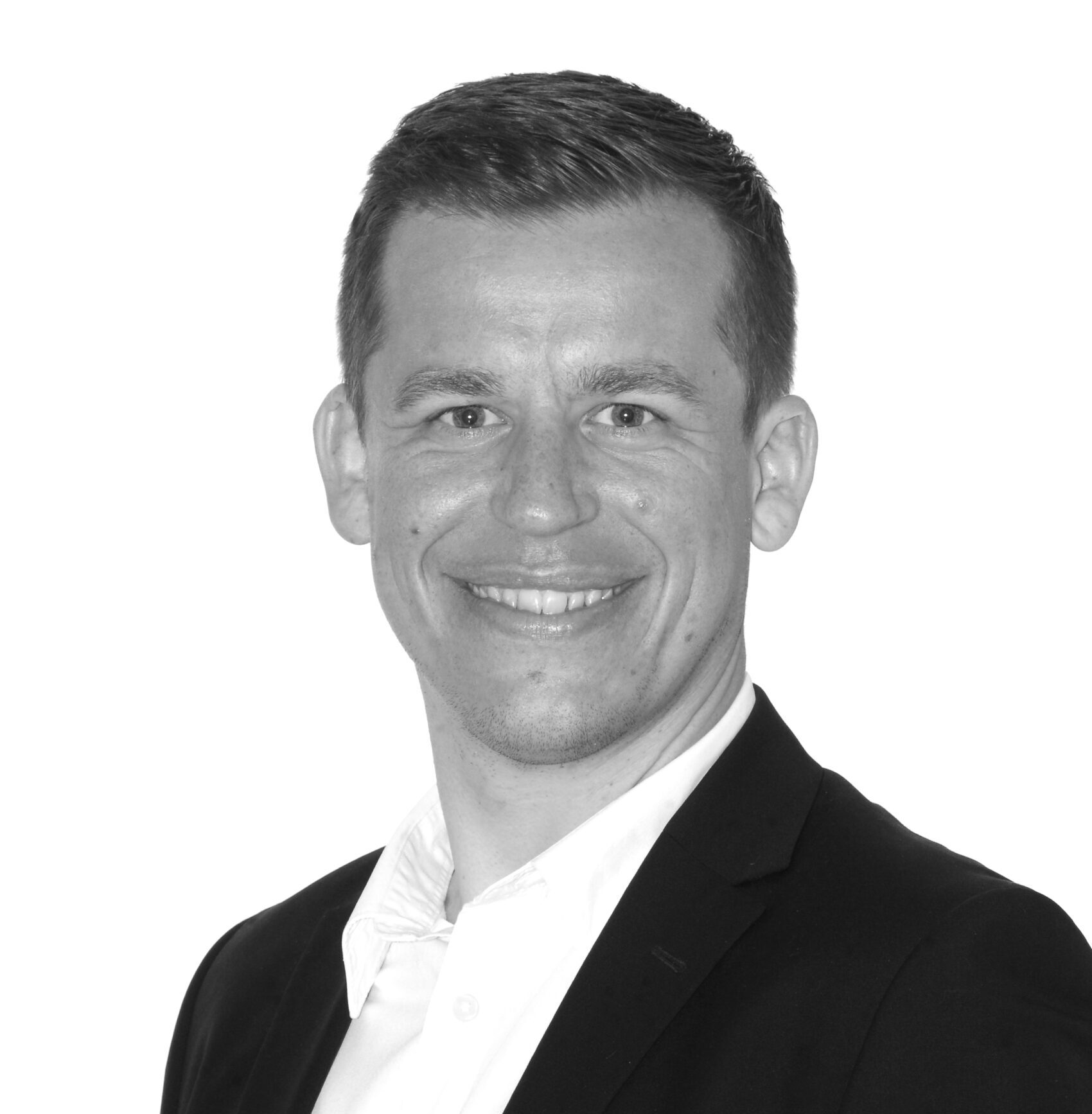







He talks about his personal journey with GTD and about how they have implemented GTD into the core of Arkus.
He shares his thoughts on how to share GTD into your own company and his thoughts on how AI will play a part in the future Workspace.
You can find Jason on X: https://twitter.com/JasonMAtwood
And have a look at Arkus here: https://www.arkusinc.com/
Links:
– Morten/Lars’ channels on YouTube, if you want to watch the episodes:
– Morten: https://www.youtube.com/c/MortenRøvikGTD
– Lars: https://www.youtube.com/c/LarsRothschildHenriksen
– GTD Summer Camp 2023 video (3 min version): https://www.youtube.com/watch?v=4LSAZF9EiYs
We really hope that this episode helps you on your GTD journey and, as always: If you have any feedback we’d love to hear from you via podcast@vitallearning.dk. Lastly, be sure to head on over to https://VitalLearning.eu to learn more about Getting Things Done® (GTD), Crucial Conversations and other offerings in the Nordics+!
If you prefer to see the video version you can do so below:
Transcript
Automatically transcribed and lightly edited. Timestamps omitted for readability.
Morten: Hi and welcome to another episode of the Getting Things Done podcast from Vital Learning. I am Morten Røvik and I'm smiling here with my friend and good colleague Lars Troskilde-Hendriksen. Uh, Privet Lars.
Lars: Privet.
C: Morten. Good to see you and good to hear you pronounce the name of the podcast correctly. Directly when we open the episode. And besides that, good to be with everyone out there listening and watching. We always start off with a quick reminder of the purpose of this podcast, which is to help you learn GTD or become even better GTDers. We hope that today's episode supports you in that. If you are new to GTD, we always recommend you go back and listen to the first episodes, episodes 1 through 6, to get an introduction to the basics of getting things done. Today's episode is a More advanced. It's episode number 99 of the podcast and it's an interview episode.
Morten: Yes. Martin Hagen from Sweden is our DGD trainer and partner in Sweden. He's also a Crucial Learning partner. And we interviewed Jason M. Atwood from Arcos. Arcos is a Salesforce consultancy in New York., and he had some really interesting things to say about building GTD culture in the company. And also about, we talk about AI and we talk about, you know, his personal journey to become a GTDer. And it's really a fun episode. So why, why don't we just roll it? Let's get to the meat of the matter.
D: Roll interview. And now our special.
Morten: Guest. Hi and welcome, Jason and Martin, you are both here to talk about Salesforce, getting things done and starting a Salesforce consultancy and to compare cards on how that works. I'm very happy to have you, Jason. I would like to ask you a couple of questions just as a primer for this. You've been on a lot of different podcasts, David Allen Company's podcast, and you've been to the OmniFocus podcast as well as me and, or as well as I have done the same. And you talk very warmly about Getting Things Done and your company Arcus. So I would like to ask you, because I got a little curious and did some digging trying to figure out Arcus, what is the background for that name? Can you just start with it briefly? Tell us what's the— it's either some kind of a rainbow goddess or a hammer. So please set me straight.
Lars: Sure. Arcus, well, we started Arcus back in 2010 and it was a big push for Salesforce partners starting up. And if you remember back in the day, everything was cloud before, you know, it was just cloud this, cloud that. And so all the names of all the companies were either Cloudforce, CloudThings, Humulus, named after clouds or had force in the name because of Salesforce. So when we were naming Arcus, we kind of wanted to stick to the cloud theme, but we didn't want to go too literal. So we actually took the Arcus Cloud, A-R-C-U-S, and just flip the letter, A-R-K-U-S, and find a good domain, and there you go. The fun part that happened a little bit afterwards, we started digging into the cloud and what that cloud meant. And the cloud is about— it's a huge rolling cloud that comes before a change in weather. So then we said, well, you know, our meaning of Arcus is that it's a huge wave in terms of changing of technology landscape, right? Moving from server-based computers to the cloud.
Morten: Good. Well, that set that straight. It wasn't more, more strange than that, or more, more complicated. So I would like to ask you now, for those of you who are listening or watching this on YouTube, who, who are you and what's your background and what do you do? In your everyday life?
Lars: Sure. So my name is Jason Atwood. I'm the CEO and co-founder of Arcus, as formally mentioned. And my background is I was a business major coming out of the United States. I spent some time abroad and I worked for a very large financial firm for a long period of time. And during the big— or the first banking crisis, me and two other founders decided to leave that very big financial firm who had gotten deep into Salesforce but was going to maybe get out of Salesforce. So we decided to take our show on the road and start the company. And I've been— we ran it together for, for about 11 years, and as of last year, I became the official CEO of the company, and I've been running it since. So that's my Arcus and what I do for a for a day job.
D: Great. So, uh, I think a lot of people have listened to the podcast from David Allen Company where you're speaking with David about how you are using GTD and OmniFocus. And I think that was a very interesting episode because I have a similar background as you, also working as a consultant for many, many years and also being in the Salesforce ecosystem as well. So we have a lot of touchpoints in common. So I was wondering if you're still working in the same way as you were talking back then. I think it's a few years ago now, maybe 3 or 4 years.
Lars: Ago. Yeah, it was, it was a few years ago. Yeah. I mean, from a standpoint of the company, the company is now, I think, 3 times bigger than it was back then. Yeah. So from a company standpoint, we're still in Salesforce consulting. We still do that type of work. From a GTD standpoint, I would say we've probably implemented it even more into the core of the company. It is a part of the official training as, as everybody gets onboarded. We now have a GTD coaching and internal coaching program which helps internal help people who are maybe struggling with some concepts so they can go to somebody. And we have, we have a lot of stuff we've built into the system, into the core. I like to say the DNA of Arcus. Around how we implement and use GTD both in our practice of Arcus and also in our personal lives.
D: Yeah. And I, I know as was working as a consultant, time is the most important thing you have. So how do you know that all this time that you're investing in GTD actually pays off in the end?
Lars: Well, I'm hoping it pays off in the success of our clients. That's ultimately what we're trying to do is make sure that our clients are successful in the rolling out of their or digital transformation into the Salesforce ecosystem. We work with probably 95% of our clients are nonprofits. So it becomes really important about the mission, their mission, and how they're, you know, moving their platform forward or their program forward and helping their constituents. So for us, I think when I look back at it and I see like, well, how do I know that we're, you know, how is it working? I really feel like I can do a measurement of how good consultants are at Arcus about how well they have sort of implemented GTD, right? That those core concepts that have helped them be, you know, really good at the methodology also really push right into consultancy, right? The ability to be focused, the ability to, you know, handle a lot of stuff that comes your way, the ability to deal with a lot of information., but also not be stressed about it. So, uh, I think the, the success of the clients and the success of the people at Arcus, kind of what I can see is making it important.
D: So, Jason, you're working as a consultant to companies, you're, you're having a lot of different projects, you're not working— maybe some of your, your colleagues are working with the same customer or the same projects for a long time, but I, I I foresee at least that you're moving from one project to the next project and sometimes maybe also working in multiple projects at the same time. So how does a normal workday look like for someone that works for Arcus, so for you as.
Lars: A consultant? Yeah, so the way we built our consulting practice is really about having people work on multiple things at the same time. We don't— when we changed or we built the model, we didn't really want to have people do sort of singular on one project with one client for too long. We wanted them to be able to switch between the 2 or 3 or 4 or 5. So the average Arcus person actually works on 4 or 5 different projects per day. Part of that is because the clients, you know, they have work to do on their side, they have stuff they need to get us, and we didn't want to have a system where we're kind of waiting around for them while we can go off and help other clients. So to go back to the typical day, the typical day is actually not very typical, right? We, as a consultant at Arcus, you could start your day by doing some data loading into the program management module of Salesforce. You could move on to helping scope another project for another client, and then you could end your day by doing a training for, you know, a third client. So there is a lot of context switching back and forth between different projects, which keeps kind of the work interesting, right? You don't get burnt out as much if you can go back and try different things. And work with different clients in different, different, even in industries, certainly different types of clients and different sizes across the country.
D: And I remember from my time as a consultant as well that that was a quite good description of how my life was. You had all of these different areas that you needed to focus on, on different times during the day and rapid contact switches all over the day. So how does G2D help you guys when you're working in an environment.
Lars: Like this? The, the biggest thing it helps with is that ability to sort of— it's that virtual folder that David Allen talks about, right? Where I could be working on this thing here and in my hands out for those on the audio, and there's a folder of work I'm working on for a client. We're doing a bunch of things, we're doing some work, we're doing transformation, and then I can close that folder and open up another folder and start working on that work. So the ability to sort of understand that while I'm working on one set of work, I'm working very focused and I'm only letting the distractions or all new things that are in front of me be there, then I can close that up and move to something else. The second thing I think is really that the capture, right? A lot of what we do is a lot of moving parts between what we're talking about with the client, you know, the project management tasks, the next actions, the follow-ups, the requirements, the work that needs to be done internally to a team. There are tons and tons and tons of moving parts. All those moving parts need to be captured somewhere, right? They have to be written down. They have to be agreed to. So if we don't— if we lose that piece of capture and if we don't have it, then that's when things drop through the cracks. And ultimately, as a consultant, that's the biggest no-no, right? You don't want to say to your client, hey, I will get you those reports and dashboards next by next Friday, and then have Friday show up and not have them available, right? That's sort of the.
D: Big no-no. Absolutely. You need to be accountable for what you have said. So I'm actually a little bit jealous that I didn't introduce GTD into my company when I was running my consultancy company over here in Sweden. So what suggestions and ideas do you have for other people that is running knowledge-based companies where a lot of your user brain and how would you, what tips would you give them?
Lars: Sure. I think the things that I would start off any organization, if you didn't build it into your DNA as the start, I mean, we just handed everybody the book when they started Arcus and it's built in. So it's kind of hard to look back and say, well, how'd we do it? We did it because it was just everybody was a GTD practitioner. All 3 founders practiced GTD and would send back and forth our weekly reviews every week talking about it. But for other organizations where, you know, it's starting, and I have worked with a few over the past, you know, people will kind of pick my brain on it. I think the first thing is, is, is to pick the right size team who's going to do it. Yes, you can practice GTD by yourself and it will always help you, right? I worked at a huge, you know, 300,000-person company and I just practiced GTD by myself. It helped me be productive. I was great. My inboxes were empty. I was on top of my work. I did my weekly review every Friday. But the thing that I think to get to the next level is to get in a smaller group of people, whether it's a team or an executive group or somebody to say, hey, we're going to do this together, right? We're going to implement this for, for our group. And regardless of whether how good people are outside of our group, we're going to, we're going to hold ourselves accountable for these, for this methodology, right? We're going to talk in the language of GTD. We're all going to read the book together. We're all going to maybe watch the videos or listen, and we're going to openly talk about— and this is where I've really seen the most growth and help at organizations— is sort of to create the space for organizations to talk about something that is very to yourself. I mean, I've been practicing for almost 20 years now. And it is something that's very in me. I could never talk about it if I don't need to, but talking about with others and saying, here's what I do, here's how I do my weekly review, here's where— how I capture, here's the tools I use, here's my daily review practice. That stuff is so helpful when, you know, implementing the change in an organization.
Morten: Can I throw myself in there asking just a little question that I'm curious about? Have you met.
Lars: Any resistance Absolutely, absolutely. GTD isn't for everybody. I, you know, to say that the 7 or 8 billion people on this planet all, you know, can practice GTD to the same level, you know, to the black belt level, it's not realistic, right? There's— there are pieces of GTD that I think could help anybody, little pieces to the methodology. I mean, if you just took the 2-minute rule and you said, hey, let's roll out the 2-minute rule to the world, yeah, it could probably help everybody. But I find that when I get resistance, it's more of people who believe that they have it covered, right? They have their own system. They have built processes and things that make them very productive and they don't feel they have a need for it. So, they have resistance to the change. Like, they're using, you know, maybe they're using Word and they write out all their tasks in Word every single day. And they have a way to do it. So I find that's when I get the most resistance. But since we're so sort of forward about GTD at Arcus and sort of like all over our blog and, you know, in our social media and I don't know, my, my, my attitude, it gets harder and harder to, to resist. You know, you become part of the Borg.
Morten: Yeah, I can understand. That's always been a recurring question we get from people. How do I teach people or my people this. And so, okay, good, good answer. Thank you.
D: Martin? I was thinking, since I myself haven't really worked in an environment or a bigger context with a lot of GTD practitioners, specifically not as a consultant or before I started to teach and coach GTD. So, How do you see the work in a team being different, or if it is different when everyone knows GPT? Is there any differences, or what is the secret sauce then?
Lars: I would say there's a massive, massive difference. The difference really is about the accountability. A lot of organizations struggle with sort of getting work done, and I know we're all going to use the same terminology here, but getting work done and understanding who's supposed to be accountable for the work they're supposed to do. And when you layer in a level of, you know, of a methodology like GTD and you make all of your account, all of your work accountable, then what it does is it takes that out of the mix. You don't have that feeling of, did I know that Sally from accounting is actually going to get back to me next week? Or Bob, you know, in finance, or Bob the project manager is going to are they going to get that work done that they said they were going to get done? So the accountability level goes way up because you know that everybody not only is practicing something but has the tools. And I think that's super important, right, to teach people about the tools as well, the tools underneath them to help them support their work and make sure that they're keeping on top of their things. So when everybody's doing it together, you, you, uh, I guess the way I can describe it is like the amount of times you need to wait, put right down a waiting for, for somebody goes way down, right? If you trust that the other person on the other side of your relationship, whether it be a project or a client or someone internally, is capturing all the things, is reviewing their projects, knows how to, you know, knows how to keep a workload of things and doesn't let things slip, then you don't have to capture as much about them. I capture more waiting for people I don't think are going to get back to me than the ones that I do think are going to get back to me.
D: That makes sense.
Lars: Absolutely.
D: So do you have any shared lists or shared systems, or you have all your individual systems that you work from.
Lars: Or how does that work? So most of the work we do is in a shared system, right? We're, we're a Salesforce practitioner, so we use Salesforce. Surprise, surprise. So all of our, you know, project work, all of our sales, all of our invoicing, all of our operations, everything's in Salesforce. For all the things that are sort of more client reference material, if we're going to go the GTD path, we use Google Drive and the G Suite for that. So Calendar, email, Sheets, and Drive. And a well-organized Google Drive, although ours is very big at this point, but with a great naming convention keeps everybody in the same way. So we know where to put things, and I think that's also very helpful. It's a, it's a GTD practice as well, but having a place for everything and everything in its place. But that's where things go, right? Where do leads go? Leads go in Salesforce. Where does project documentation go? Project documentation goes in the doc. How does it go? Well, here's a, here's a, here's a document describing how this thing works. So from the work that we share, we have shared environments to share the work. But then for the work that is sort of just you, like your brain work, we leave that to, you know, the sort of more of the singular tools. So like the OmniFocus and the Todoist and tools like that. Even I have a couple of people using Trello as their, as their environment for their GTD, their next actions. And I, and people ask, well, why don't you just have one big.
D: Shared environment?
Lars: The reason for that is there are things I write in my OmniFocus that I don't need to be correct, right? I might misspell in OmniFocus. I might put very personal things about my family or my friends that I need to do. I don't need that in a shared environment. I want to know that like my brain, it's as secure and private as everything, everything else. Then the things that go in the shared environment are project work and things that other people can see and take action on. So, we know that, hey, if Jason said he's going to do something, here's it being done. So, we kind of— it's a mix, but it allows personal stuff to stay personal and the work that needs to get done as part of the company or the organization stay in a.
D: Shared environment.
Lars: Cool.
D: So, have you ever glanced on things like Holacracy, or maybe you're also using Holacracy?
Lars: We are not. I learned about it at the GTD Summit many, many years ago. The one that, one that I lament that there's not a second one or a third or fourth being built because it was such a great time, the one in Amsterdam. So I first learned about it, saw about it. I've read the book. When I looked at our organization as trying to implement it, it became a just time and attention and you know, it did go to the someday maybe list, uh, and then getting buy-in from the, you know, organization to do it too was a little bit, uh, struggling. So we never really implemented, but I liked some of the concepts around it. And I try to leave a lot of our groups, uh, and teams as much as I possibly can, and I'm always struggling with this, to allow them to do their work in their own environments and produce their own outcomes and not have it be too, you know, to a higher goal and drive from the top type of thing.
D: Yeah. There is for sure a lot of things that— Go ahead.
Morten: I'm sorry, Martin. Can I just ask you a question? Because for the edification of our listeners and viewers, what is holacracy in a nutshell?
D: You have 30 seconds.
C: Go.
D: And who all else do you want to.
Lars: Answer that question?
D: Yeah, I think I'm on quite the same level, but it's an organizational level. So it's a self- organizational law companies structure, and it's very, very influenced of GTD. So a lot of the meetings are, are done in a GTD-ish way, and that's why it was— I asked the question really, because even if you're not fully implementing something like Holacracy, there is a lot of things they are doing in Holacracy that can be, I think, good to, to adopt when you run meetings and, and you make sure that you have these lists that, that you capture things on. So there is a lot of, of the GTD sauce in, in Holacracy and they marry quite well, I think. But I'm definitely no Holacracy expert, so I don't really feel confident in explaining exactly how it works. But you have these circles that are responsible for different, different things in the organization.
Morten: Thank you, Martin. Now.
D: You may continue. Thank you. Now, you mentioned Salesforce, and I think that is a perfect segue because me and Morten, we talked about Salesforce because that's where I have my background a couple of episodes back. And you also mentioned that you're using Salesforce a lot, of course, as a Salesforce consultant. Also internally, you eat your own dog food, right? But if we look at the normal Salesforce user out there, how could they work with GTD?
Lars: Do you have any insights? I think the interesting thing about Salesforce is, again, some of the just basic concepts around GTD are already built in, kind of things that we take for granted. So one of the things you will learn if you walk into the Salesforce ecosystem is something that Marc Benioff, the CEO and founder, says all the time, and we just keep saying it over and over again as we roll out Salesforce for everybody, which is, if it isn't in Salesforce, it doesn't exist. Well, what's really at the core of that, right? The core of that is, did you capture that information and put it into a place, right? So Salesforce does become a version of the truth, whether it's a logged activity, whether it's an opportunity, whether for us it's a project or a time entry. So that, that concept of capturing everything and making sure things don't just sit in our heads— that meeting notes, so when I met with the, with that lead, I don't just leave that in my head. The follow-up call that I need to make, my next action with my client about our project, I need that to be in Salesforce as a task. So it is sort of You know, it's interesting because some of the main concepts are in there. And then, you know, obviously Salesforce has a tasking system. It has a pretty good one. It can be customizable. I've seen different versions of it grow over the years, and at this point it's pretty good. It could be used as your main GTD system if you wanted to. You could make things private, you could keep, you know, things repeating, and you could, you know, build it into your your views and things like that. But from a— I think the biggest piece is just in order to keep anything going as part of a process, whether it's a sales process or a nonprofit tracking their volunteers or, you know, fundraising, or a bank tracking their, you know, their, their clients, uh, the idea that you have to keep it, you have to get it out of your head and put it someplace, um, that one kind of rings true for Salesforce as well.
D: Yeah, have you seen any apps being used on top of Salesforce to facilitate GTD.
Lars: Or list management? Yeah, oh, there's, there's a ton on the list management side. There's ones that integrate with other tools. I actually did a video once where we built a GTD system, just built it from scratch, and that's sort of the nice thing about Salesforce. It's a, it's a platform about anything else. So you can build custom things, you can build in custom fields, you can build in custom objects. So you can build a little data model. And so we did it over like a 2-hour session. We just built out a little GTD task management system with projects and next actions. And it's really, really, really simple. So, and then yeah, there's— there are a ton of tools. And then some of the big tools that will sync with Salesforce, right? They'll sync over their tasks, you know, either bidirectionally. So while I don't think— again, where I don't think it would be my, my main place, it wouldn't be my trusted system from a my personal stuff, it's certainly my trusted system from, from a company perspective. It is the truth. What's in Salesforce is the truth of, of everything that we're doing, and we bring that to, you know, our clients in a hidden kind in a way by saying, hey, you know, this, this needs to be your version of the truth. You need to put everything in it and it needs to be the trusted system. And if it isn't in Salesforce, it doesn't exist. So again, weaving that kind of in that thread of GTD into their practice.
D: Without really talking about GTD, which is interesting. Yeah, cool. So, so Morten and me, we have been toying with this idea to, to build something on top of Salesforce, like a shell for, or a template for a GTD system and put out on the AppExchange so everyone could use it. Do you think there would be a demand for that? Do you think people would be using that? Or they would rather go down and.
Lars: Build their own thing? I think the thing with Salesforce and the AppExchange is, and I've and I've been in Salesforce ecosystem for a long time. I think I was being made fun of for over two decades back at Dreamforce. The thing with Salesforce, you kind of have this dichotomy of things are really easy to build, and if they're really easy to build, then they're really easy to build for anybody. So I think you have to have enough complexity in the thing that you build for it to have value from the AppExchange standpoint and have extra stuff in it, right, that that makes sense to want to install it into and to use it. Uh, so I can think of and have thought of too, you know, I've thought of the same things like, oh, if I built the GTD app, uh, but some of the concepts are already there. So like tasks exist, right? They exist and they have the ability to be repeated and shared. And, and so I think for a lot of people they just build out the rest of the model. What I've got these next action things, tasks, what else do I need? Well, now I need projects. Okay, well, what else do I need on top of projects? I need you know, some sort of way to filter and show them. And so I think the model is pretty easy actually in Salesforce, where the complexity, where the better, you know, again, the tools that I know, and I think I remember from some prior podcasts, you guys have gone a little bit more simpler, you've been simplifying, where my system just seems to get, say, it's as complicated as my life. I think that the piece that would be built into Salesforce that'd be interesting is more the higher-end functions you get out of the you know, the OmniFocus and the Todoist and other things that do more with, again, repeating. And some of that stuff doesn't exist, you know, the ability to see, to.
D: Have things come up for review. You didn't feel, if I'm paraphrasing you, that it was maybe the most necessary application out there because it's so easy to do it yourself and then you will get your own flavor on it as well.
Lars: Yeah, I think the basic data model is pretty simple. Again, I've done it a couple times just for fun. I think if you got into.
D: The.
Lars: Higher-End features, then it could, you know, both, both from a sort of backend automation, right? That's where I think a lot of the value could be is, is a lot of automation stuff. And it's some of the stuff that keeps me very tied to OmniFocus after a decade. Is all the automations I've built into it to, you know, keep things on track and make sure that they come up and show to me at the right time. So if I were, if I were Postu and built something for GTD and Omni in, in the AppExchange, I would work around some of those and, and then probably work around making sure that it was very good on mobile, uh, because the Salesforce mobile app, so you got some limitations in there. But yeah.
D: I could see it.
Morten: Cool.
D: So I was actually thinking too, if we look forward, I know you were on the big Salesforce conference last week and I wasn't there and I haven't really read up what they were talking about, but I guess AI and generative AI was really big. At least that's what I saw coming out. So if we go on that route to talking about AI and running a consultancy company like, like you are doing, and specifically from a productivity perspective, what benefits do you see we will have with AI going forward? And do you think AI could make our.
Lars: GTD systems work better? Uh, I would say so, yeah. I, I have been dove down the rabbit hole of AI for at least the last, well, maybe more than a year now, but definitely starting— well, starting from your question of Dreamforce and the big conference, yes, AI was everywhere. They have, you know, if there's been pivots in Salesforce's journey, this is one of the biggest ones. And so they're, you know, both predictive and generative AI are definitely going to be built into every little piece of Salesforce. Every cloud, every tool, every product. And they showed a lot of that vision, I would say, at, at, at Dreamforce. And it's— I think it's going to be great. As you know, as a productivity person in the knowledge, you know, knowledge worker space, like what more than to have more tools to help me get more output out of, out of my day, right? To take my hour and make it into it that I can do 5 things that I used to take me an hour and a half. So right now at Arcus, our big piece is really just building, getting used to it being part of our daily lives, getting used to these tools, understanding them fundamentally. So we're doing a lot of enabling internally, a lot of proof of concepts around how it can help, and, and also putting up some of the, the barriers around where things should or shouldn't go, especially when it comes to data and client data. So there's some things we need to think about. It's not just take all your stuff and go jump it into ChatGPT. From a productivity standpoint or from the GTD standpoint, I think it could be amazing. I think there are parts of my tool, right? If we think about what, what are the things that we could feed into AI to make it more powerful, we know that data is the gold, right? Data is the new gold or the new oil. And I think of my system as having a lot of data in it., right, years of data, lots of my stuff, right, my tasks, my projects, my, my focus, including what I've done, right? So the history, if I could feed that into an AI engine that could make predictions around what I need to do, and what I could do, and what I should be doing, I think that would be extremely helpful, right? Take, take the practice of GTD and some of the things and say, should you really be focusing on this? Or here's all the here's your 12, you know, 12 or 20 next actions you have today. I'm highlighting the 3 that I think are the most important. I'm not even going to make you do that work, right? David Allen talks a lot about sort of priority is not something that we capture. But boy, if I had an AI that could prioritize things for me based on my past, based on my calendar, and sort of do the work that I do now, right? I look at my calendar, I see how much time I have, my contacts, all that. Well, what if AI could do that for me and immediately tell me what the next action was without, without me having to do any of that work? That would speed me up by a bunch. So do I lose sleep over, uh, AI and how it will incorporate into.
Morten: GTD and productivity tools? I absolutely do. Okay, now we've been talking a lot about the AI in the Nordic region and with the people we meet, and, and I am I'm curious to hear what you think about this because I've been pondering a lot about the, you know, that AI can, you know, create a synopsis or summary of a large amount of, you know, either just text-based or maybe as, you know, all your Salesforce information to kind of get an overview and a compressed view of that. That would be very helpful. And of course, it could also highlight something on an algorithm saying that, well, this is the most 5 most interesting leads you have right now that has the highest value. I might want to put that on top of your list of things you might want to consider doing today. But what I'm scared of, not scared of, but I'm a little, yes, okay, I'm scared. I will be honest. One of the things I've been thinking about is because it will, they will take the, when the AI takes over the decision-making, For instance, when I clarify and organize things, you can feed it some information and it will then possibly create a next action for you. But if you are not taking the step of clarifying that information, you are going to let the machine take over the thinking. And I think it is more like the machine should be able to facilitate your thinking. About this. So you make the decision, you commit to do this. So when you are going to do the things you decided to do and the next actions and look at the desired outcomes, you are committed to do that. I don't know.
Lars: Does that make sense to you at all? I mean, it does. Everybody, well, first of all, everybody should be a little bit afraid, right? We should not be skipping down the path and not thinking about this as both transformational in our society, but also could have really bad outcomes. So yeah, be a little afraid. That's okay. And when we talk about it internally, or I talk about my friends, I'm always saying, yeah, you should be careful because it's, it's not fully baked yet. We don't know what we don't know. And part of what artificial intelligence is scary about it is the programmers who program the AI don't even know why some of the things happen. So that gets kind of strange. But back to your point about sort of the GTD thinking part, I think I approach it more as if I could build, and the tools are very much available now, maybe not the time, but the tools are, if I could build an artificial intelligence built into my systems that I trusted to make the same decisions that I would make, which is ultimately what I would do, right? I would build an engine that would make the same decisions that I would make. So ultimately my AI assistant would be a version of me. And so at that point, well, if it's a version of me, don't I trust it to make the same next actions, the same communications, the same, you know, funny things or decisions about where I want to go or eat or do because it's been trained on my data. It knows what I want to do. It's, it is a version. So then I think, well, that becomes incredibly powerful inside the productivity world. It's not necessarily going to do them all, but maybe it will, right? I have a task sitting there right now where I need to call a bank and argue about some fees, these late fees that are just— something's going wrong and I have to go. You know, it's a time for me to stop my day, pick up a phone, wait for whatever. What if I could just set my AI bot to go do that for me? Here's my voice. Here's what I want the outcome to be. You go argue with— you go argue with support. Right? And then once you're done, mark it off in my, uh, mark it off in my OmniFocus as done, and then go check my bank accounts 2 days later to make sure they reverse the fees. Like, what a great little task that could just happen.
D: So I'm, I'm— then we can sit there on the bench and look at the 2 AIs talking to each other, arguing.
Morten: Yes.
Lars: Yeah. And at some point they will start hallucinating, probably, as long as I get my bank fees reverse. But I think then that leads to me back to what we started talking about, which was time. And, you know, everything I— when I train people and talk about GTD, and the first thing I talk about is time. We only have, you know, AI will not give us— will not give us 25 hours in, in our workday, right? We'll not create an extra week of our life. Sure, we might start living longer and longer, but the time on this planet is extremely limited. And it is extremely valuable. So whereas AI can give me back some of my time that I can then use to spend on other things like being with humans, uh, I'm all for it. Like, that's where I want to be. I want to spend time with humans and not on a phone arguing with a bot about a bank fee. And so speeding up my system, making it 3 to 4 times faster and better, and identifying the things in my system that are missing, I think the AI GTD bot that could look at, at what you're not putting in your system and make suggestions around that, that's where I think you have incredible value. Because when I see people's systems, most of what I do is suggest more to put in there. Hey, did you think about this? Have you thought about this as a project? Hey, you just, you know, you're, you're going in for, you know, you have a medical issue. Is that a project in your system right now? It's in your calendar. Like, do you have a desired outcome to get better? And most people are like, oh no, I never think of it that way. So having me say that individually, it's going to take a lot. But what if there was an AI engine in there that could read through your calendar, your emails, your messages, and make suggestions based on things it saw that need to go into your system, that need desired outcomes, that need next actions?
D: I'm.
Morten: I'm all in. Sign me up. Yeah. The clarify process is what I'm concerned about. And that's, I think that if you leave the clarify process to the AI, I think that's a slippery slope. But of course, as you said, that when you take all the data that the AI has about you and then compile it and try to look at how you've done things before, That might be helpful unless you're really good at procrastinating, because that's going to lead.
Lars: You down a very slippery slope. So the AI engine becomes to learn.
Morten: How to procrastinate better than you did. Uh-oh. Now we're in trouble. You ain't seen nothing yet, Jason. Let me show you how you really can procrastinate.
D: So, okay.
Morten: Back to you, Martin.
D: I'm sorry, I'm cutting in here. I was just saying that I thought that statement you had, um, with us just having a short time on, on Earth and that we are putting more and more on, on in our basket, I thought that was actually a pretty good ending to, to, to this interview. And I, I really appreciated the thoughts you had on the specific AI stuff here in the end, but I actually didn't plan to to ask you about.
Lars: Because of the course. I, I enjoy talking to you guys. Say, I always make a joke in every meeting, it's like you can— you just have to set a timer to how fast you get to someone's first say AI. Yeah, 30 minutes into the meeting, 40 minutes. Yeah, I was at one the other day and it was an hour and a half, and I made a joke like, look, it took us an hour and a half for someone to mention it. So, um, you know, I'm sure it'll continue to pop up in your podcast. And, uh, by the way, congrats, I know you're about to hit 100, so congrats.
Morten: On that. That's a big milestone. It's a milestone for us. So thank you for mentioning that. And I'm very happy to talk to you. The first time I've met you in virtual or physical. So it's a good time. It's about time when we met you. I heard a lot about you and listened to a lot of interviews with you. So I'm happy to see you for the first time. And don't be surprised if we come back and want to interview you later.
Lars: Again, if you will be willing to. To participate. Absolutely.
Morten: Welcome back whenever you want. Yeah. So, any last words.
D: Martin, before we end the call? Thank you so much and may the.
Morten: Force be with you. Yeah, always. That's an inside joke, I'm sure. It sounds like a mixture between Salesforce and Star Wars. Okay. Okay. Take care, guys. Thank you for participating.
Lars: See you next.
C: Time.
Lars: Bye-bye.
C: Thank you so much. Very cool stuff. Very inspiring. It's fun to hear from Jason. We've, I know, in quotes, known each other on Twitter for so long, and it's so fun to hear about his experience in building the.
Morten: Culture and integrating GCD. Very inspiring. And he is also, you know, I connected to him after the interview when we did that because there's been flooding in New York, really heavy flooding, but he tells me he's safe and it wasn't too bad where he lives. So good to hear that.
C: So, well, will you check us out, Loris? I will do that with a quick reminder of this is episode 99. That means the 100th episode is next. So very little time left. If you wanted to send us a quick video saying, whatever you want to say, really. Thanks for the episode so far. Good luck on the next 100. I would think it would be really cool if we heard from someone saying, this episode really changed my GTD game, episode 69, 47, whatever it might be, where this change in my list has actually made me more present, more productive, whatever it might have happened. The natural planning model made this, this project happen so much more easy. Whatever it might be, it would be really fun to hear. Or just, you know, a quick greeting doesn't have to be fancy or shiny or polished. It can be an audio recording, it can be a video, whatever you want. We really appreciate it, and we'll try and stitch it all together and have a bit of fun in episode 100. So since this is episode 99, that means you have 2 weeks if you're listening on the day that it comes out. So, um, We still have time. Hope to hear from you.
Morten: Please send it to— not 2 weeks, it's going to be shorter than that.
C: Because we have to record. That is also true. So please disregard that. And you know, if you have time now, let's aim for that. So thanks to those of you who have already submitted audio and video files.
Morten: Really, really appreciate it. So kind. Yeah. And if you want to do a video or an audio, it's very easy to be self-conscious, but You know, oh, I can't do this because it's not perfect. Well, 80% is more than good enough. And to quote David Allen, speed trumps perfection any day. So don't make it perfect.
C: Just make it you. That's important. Yeah. So thanks. Thanks for submitting that. And now I will remind you to head on over as well to vitallearning.eu because that's where you'll find links to each of the country websites. And on each of those, you will find information about the different offerings that we have in Vital Learning. Obviously, a lot relating to Getting Things Done, different levels of seminars, coaching, speeches, but also Crucial Conversations for Mastering Dialogue, Crucial Conversations for Accountability, Crucial Influencer, The Power of Habit, all of the different seminars and more information about them you can find on the different country websites. That's for those of you in the Nordics. Outside the— or sorry, the Nordics Plus outside the Nordics, plus you head on.
Morten: Over to cruciallearning.com to find your local partners. Exactly. And until next time, people, stay safe and stay productive. Bye-bye. Bye, Rune. Hi and welcome to another episode of the Vital Learning Podcast for blah blah.